Falling out of a story
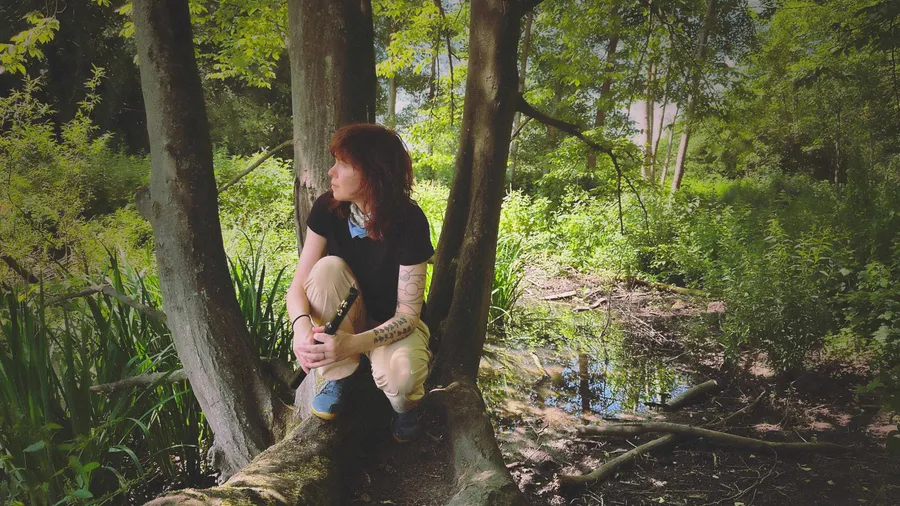
A few minutes ago I logged into YouTube Studio, typed a few words, then clicked "publish." It was just a name swap. So why did it feel like grief?
continue reading A few minutes ago I logged into YouTube Studio, typed a few words, then clicked "publish." It was just a name swap. So why did it feel like grief?
continue reading
What Omori Sokun described as 程 (hodo) at the dawn of the 17th century — and why it becomes, sooner or later, the skill you spend your life working toward.
continue reading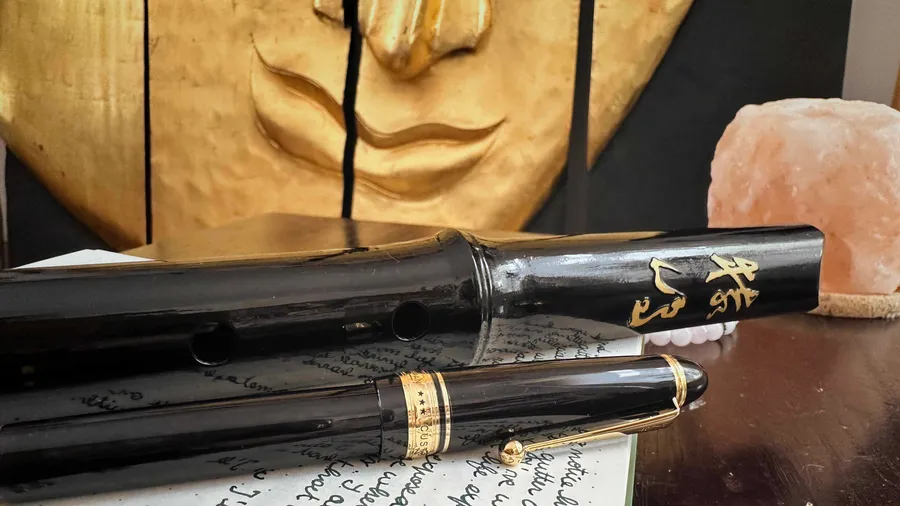
When I started posting videos about hitoyogiri instead of shakuhachi, views dropped off a cliff. What I hadn't anticipated was the texture of the dismissal.
continue reading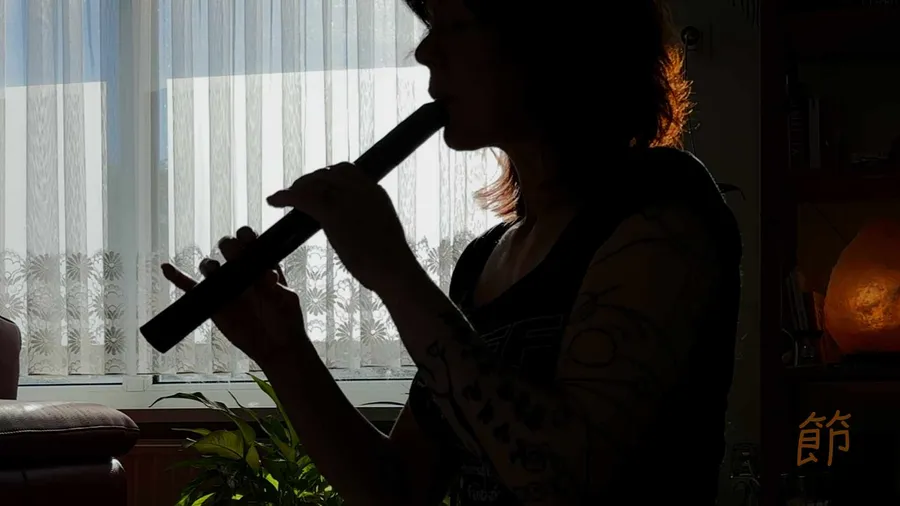
Shomyo is Buddhist chanting — the kind that would have been part of the daily soundscape for anyone living in Muromachi-era Japan. I've been trying, slowly, to build some of that scaffolding for myself.
continue reading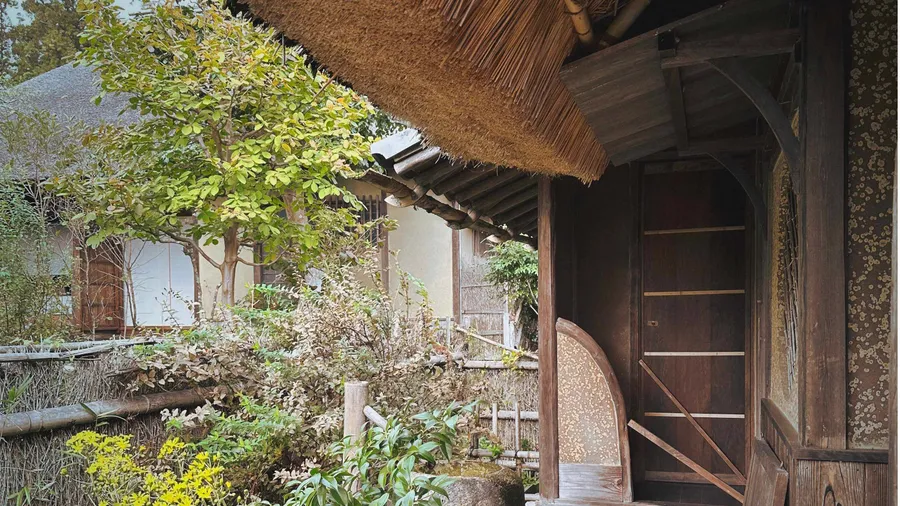
In Sokun's old manuscripts, we can read that the yuri in ichikotsu should begin like the quiet of a thatched roof. I have no idea what rain sounds like on a thatched roof — but a Zen monk from the 19th century pulled me directly into the scene.
continue reading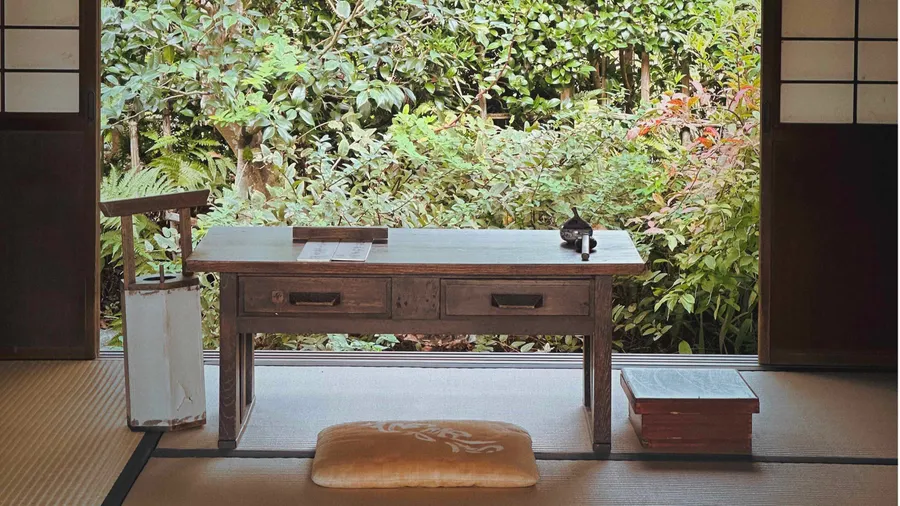
I stumbled on the word honkadori while reading about the poet Tonna. The meaning of this poetry rule describes very precisely the workings at the heart of hitoyogiri music.
continue reading
I wasn't particularly interested in Ōmori Sōkun. His name would pop in my lessons but I hardly paid attention. He eventually managed to reach me the way most important things do — by appearing again and again until I stopped ignoring him.
continue reading
I've known about the Saikō-sui koan for a while now. It's engraved on Ōmori Sōkun's tombstone — along with a note saying it was upon hearing it that the master found his vocation.
continue reading
This story begins on a damp Spring morning in Fukuoka, Japan, in 2020. I never wanted to go home ever again. Maybe in a way my wish came true.
continue reading